Introduction
If you have ever experienced the subtle awkwardness of wearing the same fragrance as someone else in the same room, you have felt the primary motivation behind Fragrance Layering. Layering is not simply about spraying two random perfumes on your body; it is a sensory experiment involving proportions, textures, and chemical reactions.
By mastering layering, you cease to be a mere "consumer" of fragrance and become a "creator" of your own atmosphere.
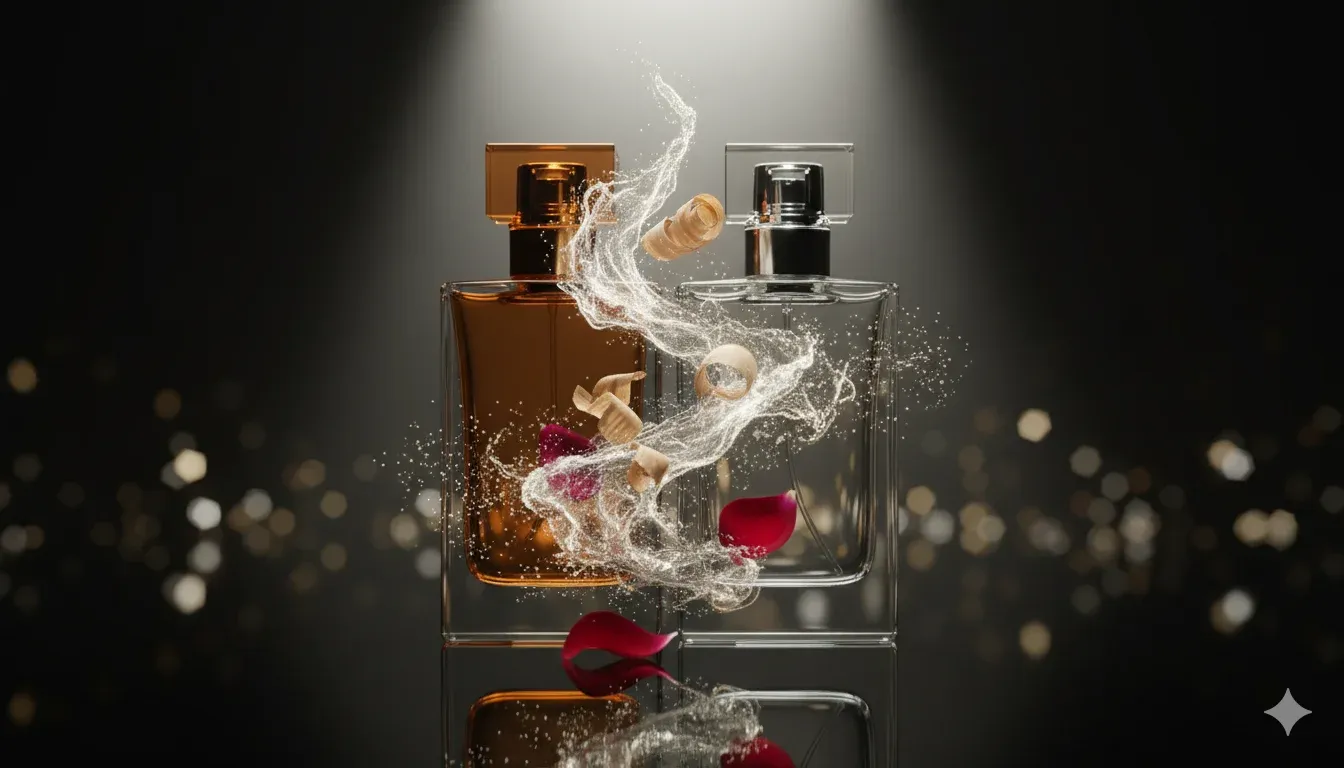
I. The Core Logic: The "Pyramid" Construction
The most successful layering combinations typically follow one simple rule: Heavy first, light second.
The Base Layer: Start with a scent that is heavier, has larger molecules, and evaporates slowly. Examples include Woody notes, Patchouli, or Ambergris. These scents act as a foundation, "anchoring" the subsequent layers and extending their longevity.
The Decorative Layer: Follow up with a scent that is lighter and more diffusive. Examples include Citrus, Neroli, or airy Florals. This layer will be the first to be detected, appearing more dimensional and sophisticated when supported by the base.
II. Classic "Master Formulas" for Success
If you are unsure where to start, try these three combinations—widely recognized in the fragrance world as "perfectly harmonious":
"Calamity and Calm": Citrus + Sandalwood The crispness of citrus cuts through the potential heaviness of sandalwood, while the woody base grants the citrus an unprecedented depth and vitality.
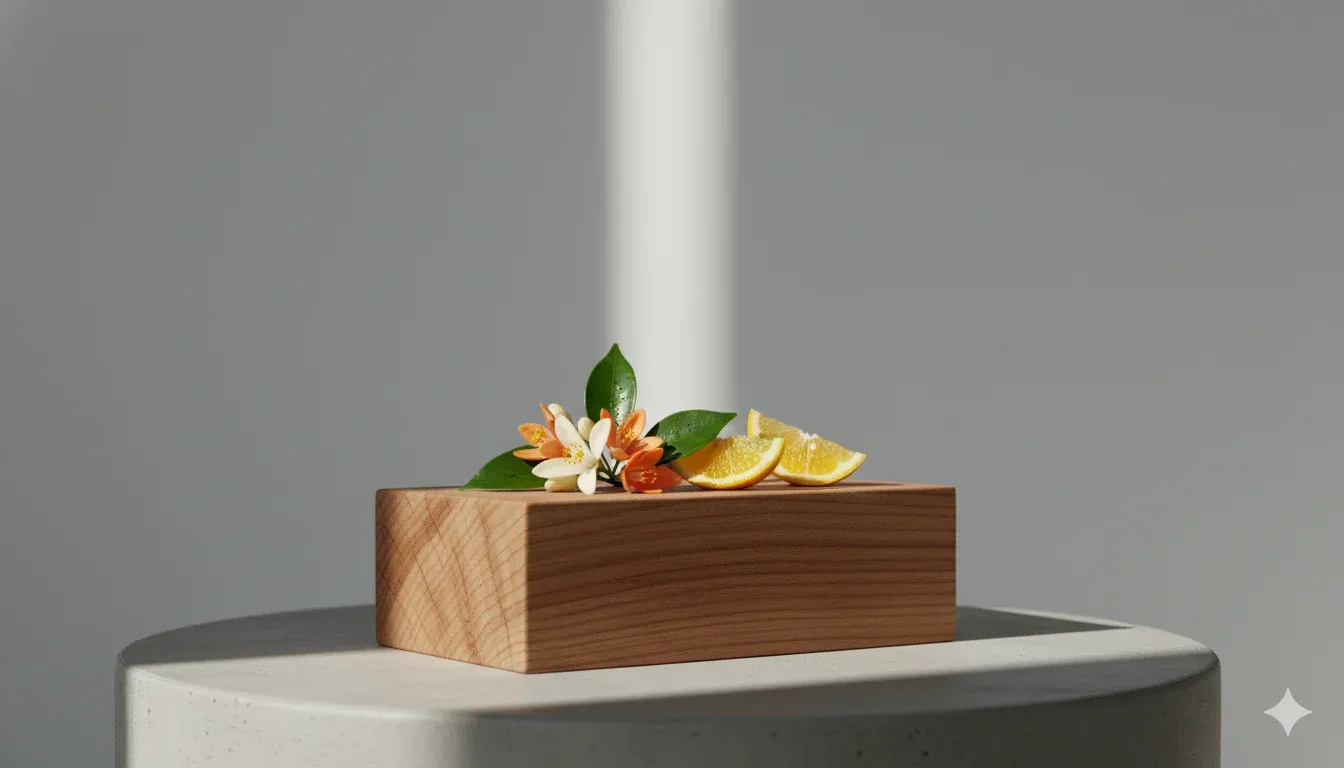
The perfect fusion of citrus and sandalwood, a harmonious balance of freshness and depth
"Midnight Rose": Rose + Patchouli or Oud This transforms a delicate floral into a deep, mysterious, and intellectual "Dark Rose," instantly elevating your personal presence.
"Warm Skin": Musk + Any Fruity Note Musk neutralizes the "cheap sweetness" often found in fruity scents, making the aroma feel like a natural "Skin-Scent" emanating from your own pores.
III. Avoiding Chaos: The "Golden Rules"
Layering is an aesthetic addition, but avoid turning it into a chaotic smudge:
Avoid Mixing Two Complex Fragrances: If both perfumes contain dozens of complex ingredients, they will likely clash. It is best to choose at least one "linear" or "soliflore" (single-themed) fragrance as a building block.
Experiment on Paper First: Body heat accelerates chemical reactions. It is always wise to test the "dry down" of the blend on a scent strip first to see if the harmony holds before applying it to your skin.
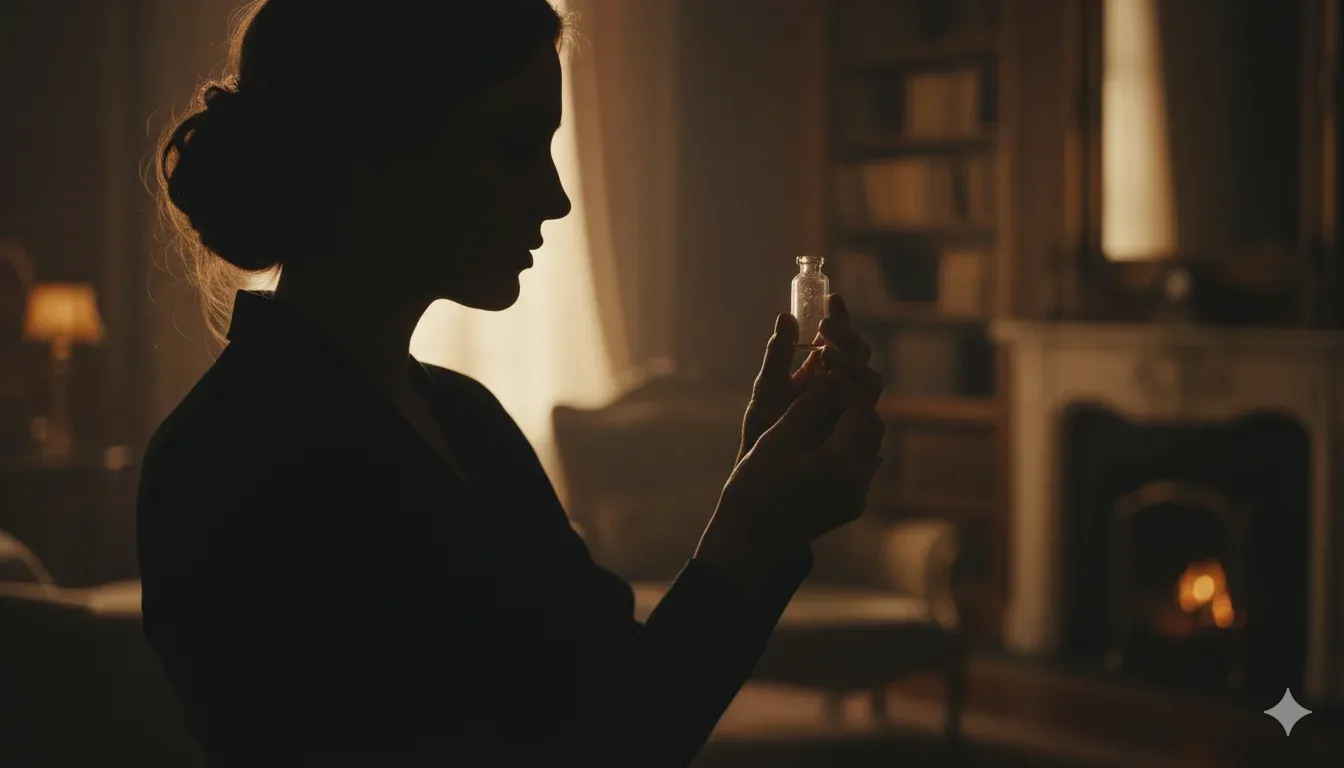
Test your layering combination on a scent strip first to ensure harmony before applying to your skin
💡 Conclusion: Your Scent, Your Rules
The most captivating aspect of layering is its uniqueness. When someone asks what fragrance you are wearing, you can elegantly reply: "It is my personal private blend."
This is not just about smelling good; it is an experiment in self-identity. In the world of perfumery, rules are mere suggestions—your intuition is the ultimate perfumer.
➡️ What's the next chapter?
Now that we've mastered the basics of layering, we can explore more practical applications: