Introduction
In a professional environment, fragrance acts as your "invisible business card." A well-chosen office scent shouldn't be a loud distraction; rather, it should be a subtle layer of texture and stability that enhances your personal aura.
By mastering these workplace scent strategies, you allow your taste to reflect a sense of unhurried luxury alongside your professional expertise.
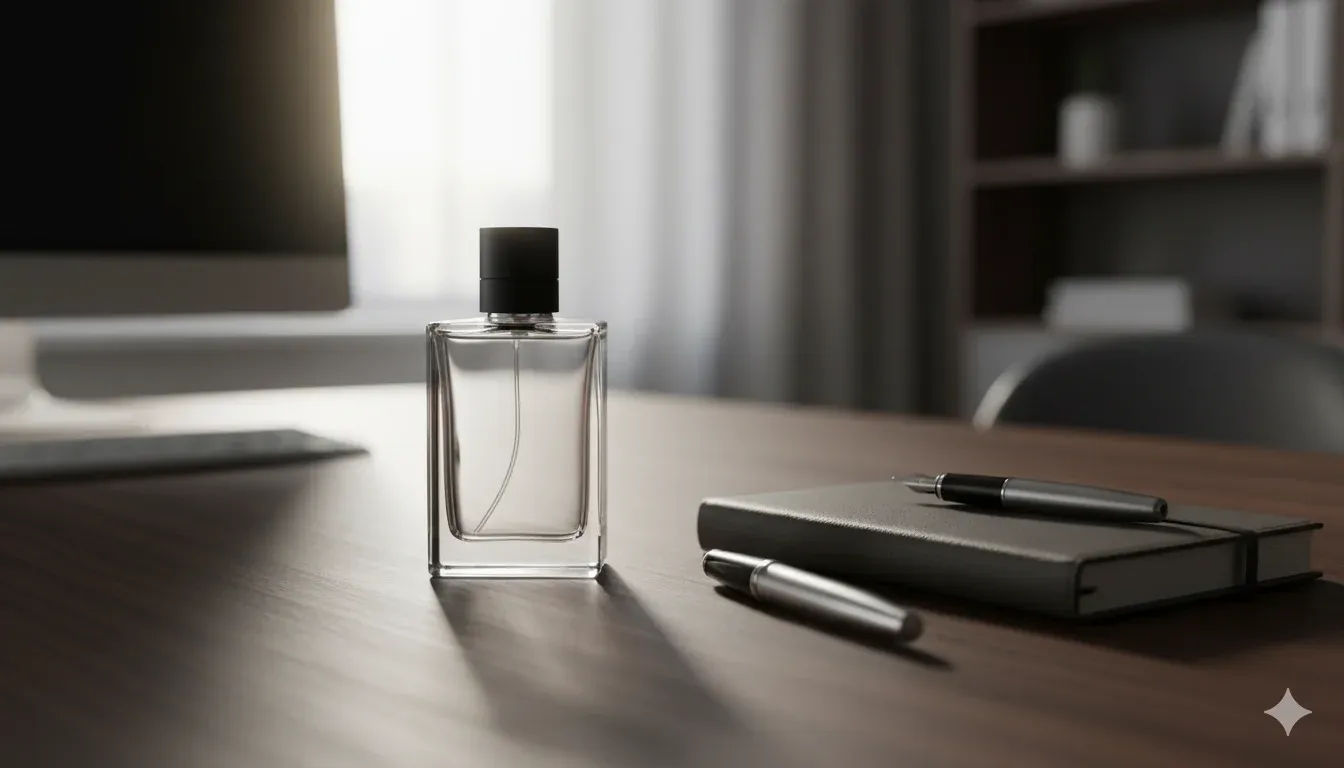
Ⅰ. Managing the "Social Distance" of Diffusion
The first rule of office fragrance is the management of "Sillage" (Diffusion). In the confines of a meeting room or an open-plan office, we aim for an intimacy that is "only detectable within a close radius," rather than an olfactory landmark felt across the entire floor.
Strategic Application: Avoid the front of the neck or chest. Instead, apply to the back of the neck (under the hairline), the inner elbows, or even behind the knees. This ensures the scent moves naturally with your body as you walk or hand over documents, rather than striking others directly.
The "Half-Dose" Rule: If you typically wear four sprays for a night out, two is plenty for the office. High-quality perfumes possess enough longevity that you don't need volume to sustain their presence.
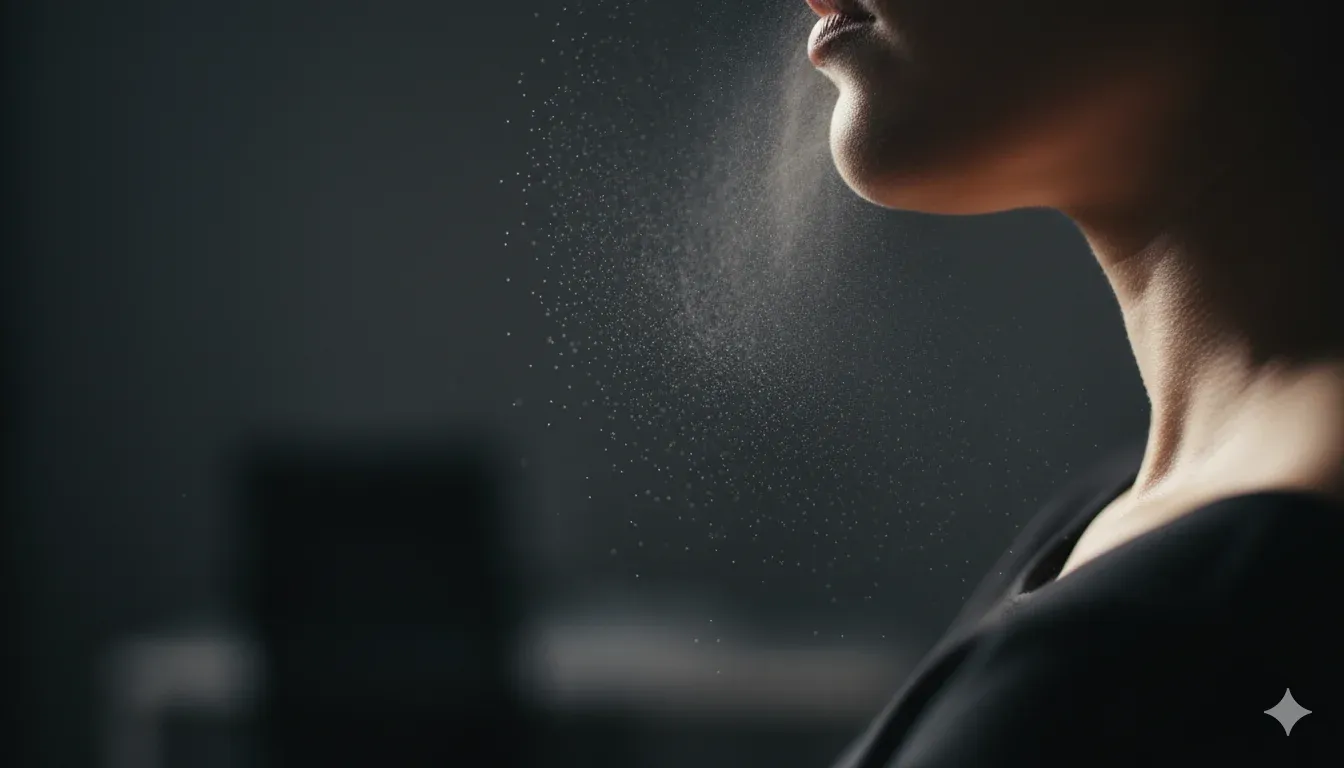
Strategic application adjustments ensure elegant diffusion in the office environment
Ⅱ. Selecting Notes of "Stability"
Certain fragrance families naturally evoke psychological associations with "clear logic" and "trustworthiness," reinforcing your professional image.
Clean Woodiness: Notes like Sandalwood, Cedar, and Vetiver. These provide a stable, reliable, and intellectual vibe—reminiscent of a high-end wooden desk—suggesting a person of composure and substance.
Polished Chypres: A sophisticated blend of Oakmoss, Bergamot, and subtle florals. Chypres project a sharp, decisive, and modern persona, perfect for occasions where leadership or execution is key.
Refined Cleanliness (Soap/Iris Accords): Scents featuring White Musk, Neroli, or Iris convey a sense of meticulous grooming and precision.

Clean woodiness, polished chypres, and refined cleanliness: Infusing stability and trust into your professional image
Ⅲ. Workplace Taboos: Avoid Sensory Extremes
While we appreciate all facets of perfumery, two "high-risk" categories should be avoided in professional settings:
Heavy Gourmands: Overly sweet scents of caramel, vanilla, or candy can come across as unprofessional or even out-of-place in a serious boardroom.
Opulent Oriental Spices: Heavy Oud, Cinnamon, or dense Leather notes. In an air-conditioned, enclosed environment, these can become oppressive and overly aggressive, potentially causing discomfort to colleagues.
💡 Conclusion: Scent as the "Anchor" of Professionalism
The ultimate form of workplace fragrance application is when a colleague leaves a meeting remembering your calm problem-solving skills, accompanied by a fleeting, sophisticated, and polished trail of scent.
This is not about pleasing others; it is about using scent as a precise visual and sensory extension of your professional identity.
➡️ What's Next for the Connoisseur?
We have explored the soul of materials, the secrets of body heat, and the etiquette of the workplace. Finally, we will tackle the technique of the "Fragrance Master":
🚿 The Art of Layering: How to combine two ordinary scents into a masterpiece that is uniquely yours.