Introduction
Walking through a crowded metropolitan area or a high-end department store, have you ever caught a scent that immediately triggers a mental image of a massive billboard advertisement? That is the power of "Designer Fragrances." However, in recent years, fragrance enthusiasts have increasingly turned their gaze toward minimalist bottles and obscure names—the world of "Niche Perfume."
This shift isn't just about choosing a brand; it is a sensory revolution centered on "Self-Definition" and "Olfactory Sovereignty."
I. Designer Fragrances: The Polished Beauty of the "Mass Appeal"
Designer fragrances (such as those from Chanel, Dior, or Armani) are typically launched by major fashion houses.
Creative Logic: The goal of a designer scent is to be "immediately likable to the majority." They undergo rigorous market data testing and focus group discussions to ensure the scent fits mainstream aesthetics, resulting in high wearability and a sense of polished decorum.
Brand Halo: These perfumes are closely linked to high fashion and celebrity endorsements. They sell an "aspirational lifestyle." The scent itself pursues a stable, collective consensus on elegance.
The Result: Wearing it makes you smell stylish and safe, but it also means you might "clash" with your colleagues, a stranger in the elevator, or even an ex-partner.
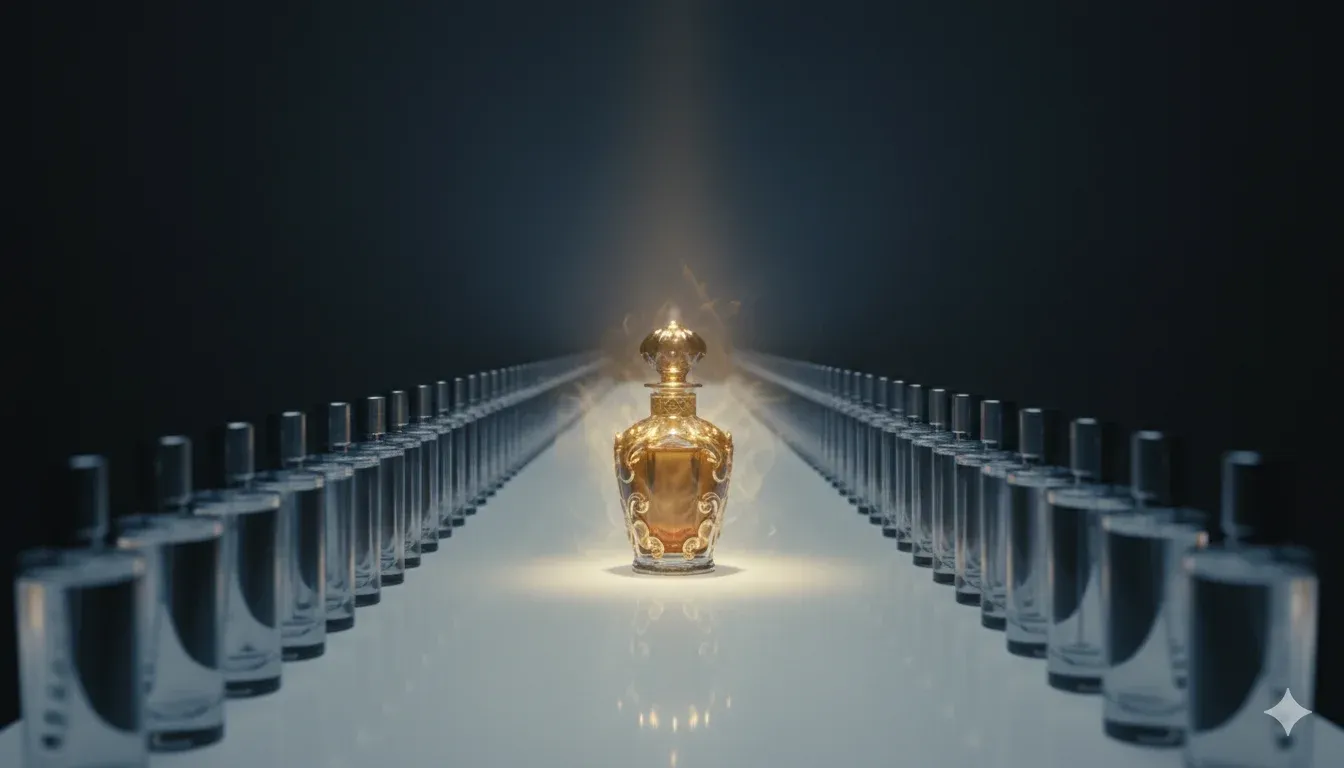
II. Niche Perfume: The Artistic Freedom of the Rebel
Niche or Artisanal perfumes are usually produced by independent houses dedicated solely to fragrance, rather than large fashion brands.
Creative Logic: Niche perfumers enjoy near-absolute freedom. They do not need to consider market acceptance. Their inspiration might be "the grey ash of a dying fireplace," "a thunderstorm in late afternoon," or "the paper of an ancient bookstore."
Ingredient First: Budgets are concentrated on high-quality, often rare natural raw materials, rather than hiring supermodels for advertisements.
Uniqueness: These scents often have "sharp edges" or even "weird" characteristics. They don't seek universal approval; they seek a soulful resonance with the 1% who truly understand them.
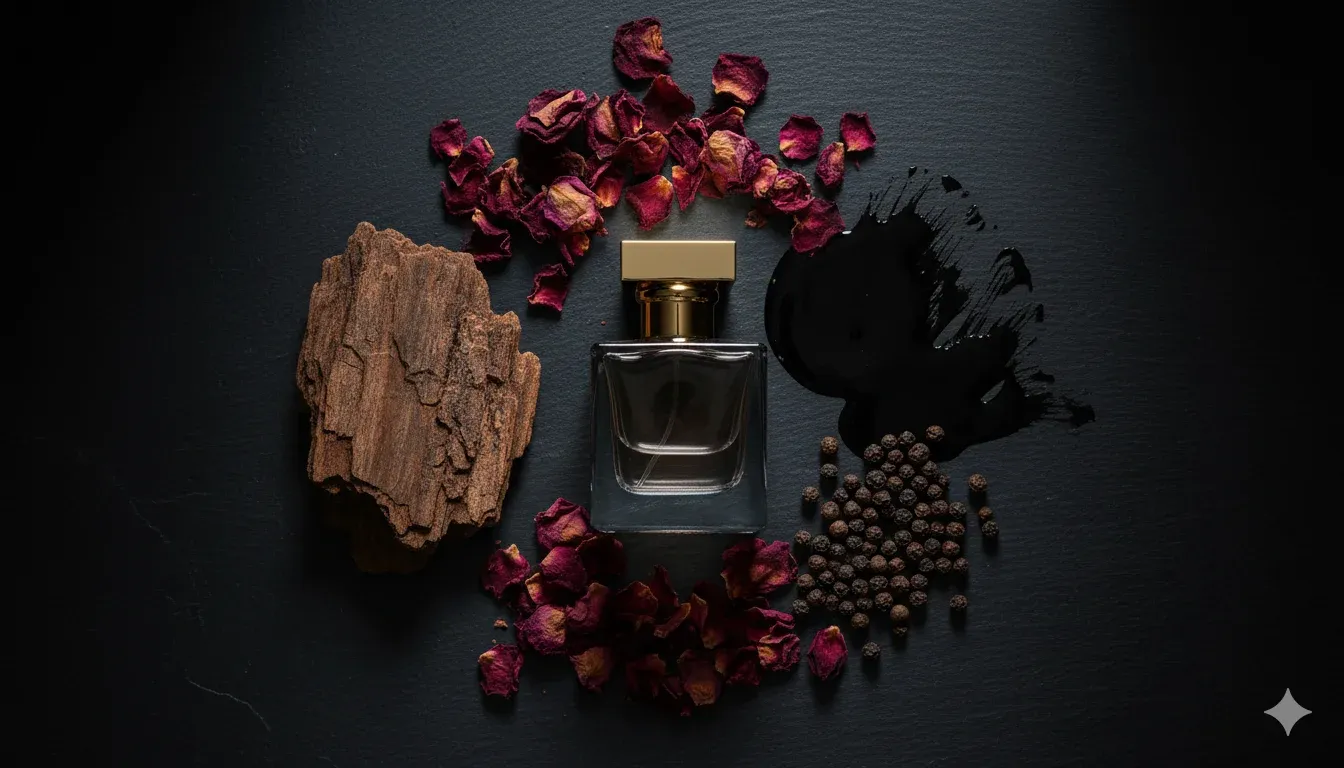
Niche perfumes typically feature minimalist packaging, focusing budgets on high-quality ingredients rather than elaborate packaging
III. Why Are We Increasingly Afraid of "Scent-Clashing"?
Psychologically, scent is directly connected to the brain's limbic system, which governs emotions and memories.
The Olfactory Business Card: When we wear a rare niche perfume, we are making a silent declaration of self-expression. We don't want our presence to be defined by a mass-market label; we want to be a "unique point of memory."
Rejecting the Label: Designer scents often carry a strong brand identity, whereas a niche scent feels like a private story. Pursuing uniqueness is, at its core, a pursuit of "Self-Identity."
The Evolution of Senses: As mainstream aesthetics reach a saturation point, those with keen senses begin to crave more challenging notes—such as cold incense, tobacco, damp leather, or even metallic industrial vibes.
💡 Conclusion: Not a Matter of Rank, but of Resonance
Designer fragrances are "polished uniforms," while niche perfumes are "bespoke private garments." Seeking niche isn't about flaunting superiority; it's about finding that specific frequency among thousands of molecules that accurately represents you and makes you feel at home.
True luxury is not the number on the price tag, but the sense of "Belonging to Myself." When a scent is no longer a mass-produced copy, it finally becomes a part of who you are.
➡️ What's the next chapter?
Now that we've understood the differences between designer and niche fragrances, we can explore more practical applications: